
REQUEST FOR QUALIFICATIONS (RFQ)
RESTORATION SERVICES FOR WOODEN STREETCARS, TROLLEY CARS, AND INTERURBANS
I. Background Information
There are 17 established, non-profit, museum entities spanning from Indiana to Maryland and throughout the Northeastern United States and Canada whose missions include the conservation, restoration, and interpretation of the electric streetcar/trolley car and related types of equipment. Most of these organizations operate vintage electric railway cars in demonstration purposes for the visiting public, with active vehicles dating as far back as the 1880s.
As the combined collections of these organizations have grown, and the equipment has aged, there has been a corresponding growth in the need for individuals and entities with the necessary skills, equipment, and capabilities to maintain and restore these relics. This problem is aggravated by the fact that much of the technical skills necessary have become a lost art, representing a technology that has been obsolete for one hundred years.
This RFQ seeks to identify entities with the technical capabilities, facilities, staffing, and expertise with an interest in pursuing future contracted work for the restoration of wooden streetcars/trolley cars/interurban railway cars. Responding to this RFQ does not constitute any guarantee of future contracted work or preferential treatment for such opportunities, but represents an opportunity to connect a general industry need with entities with the capabilities and interests in performing this type of work.
II. General Technical Requirements
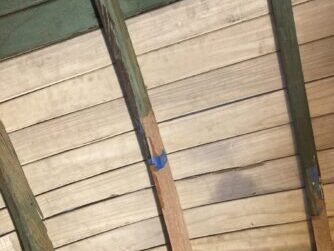
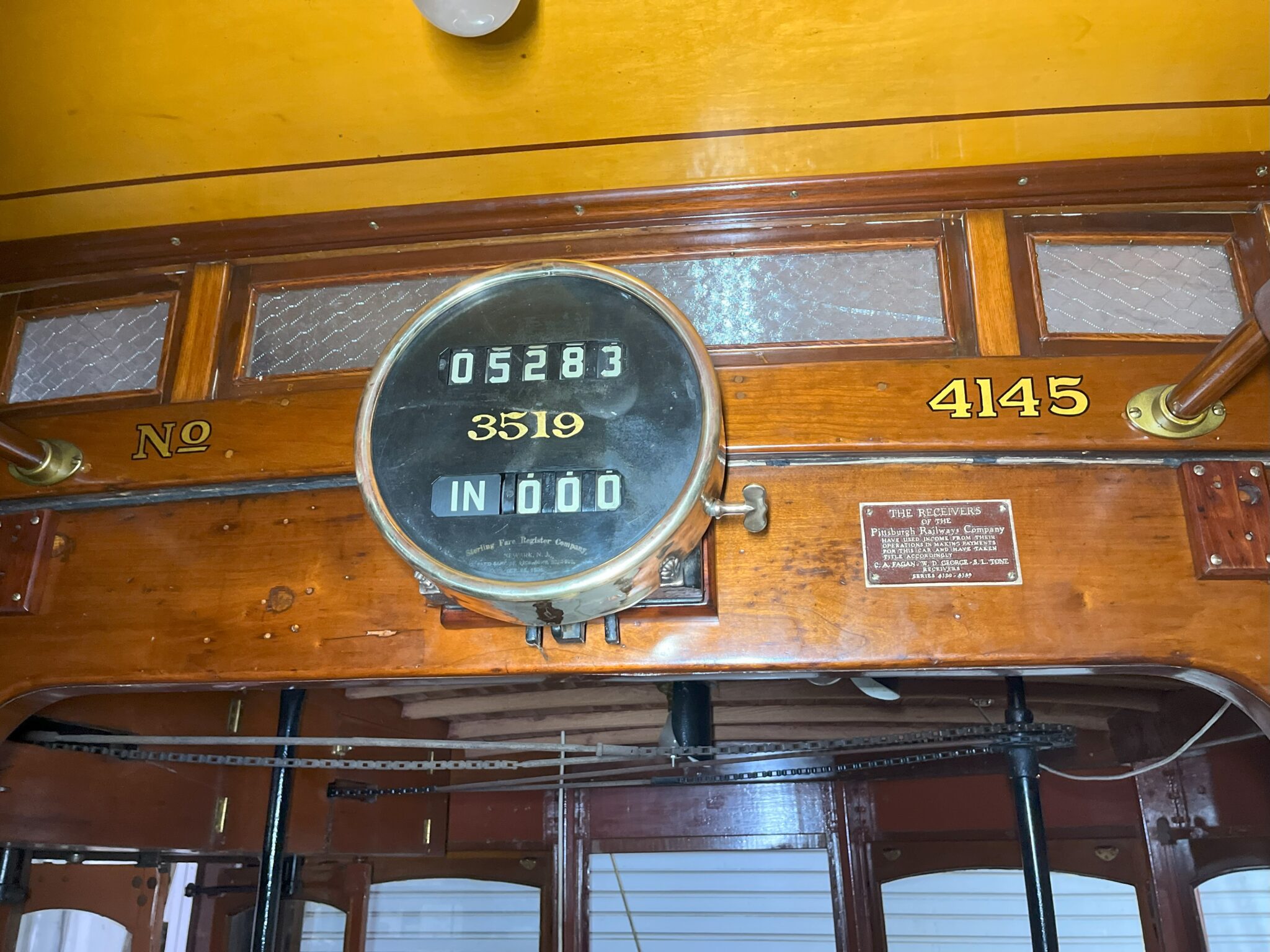
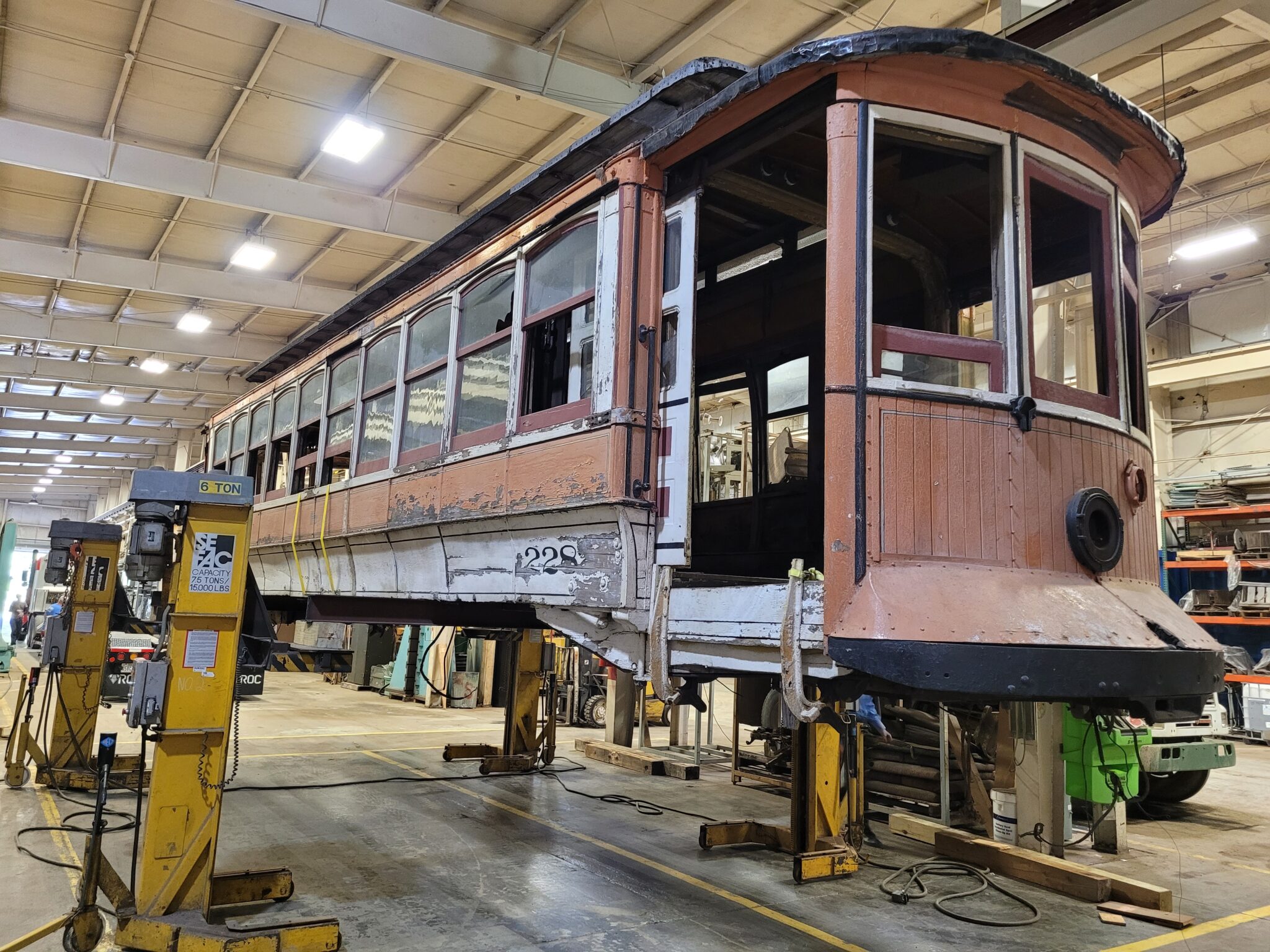
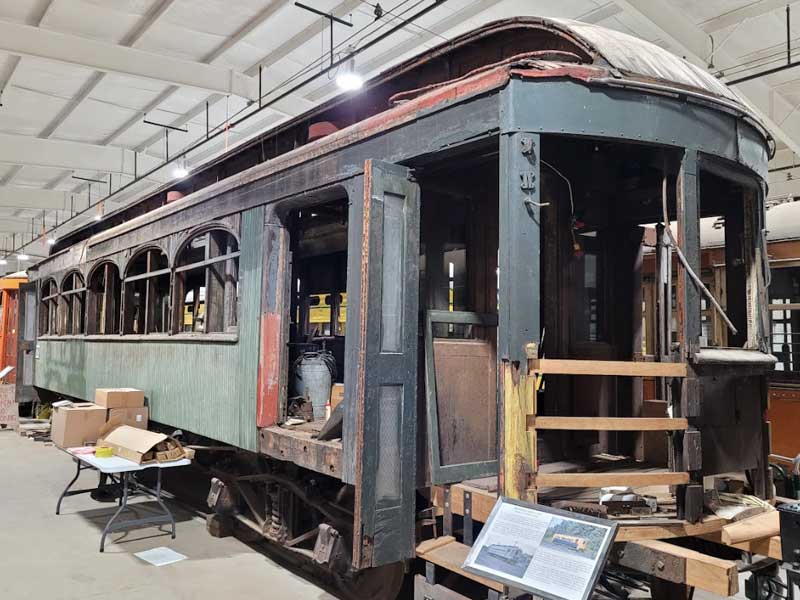
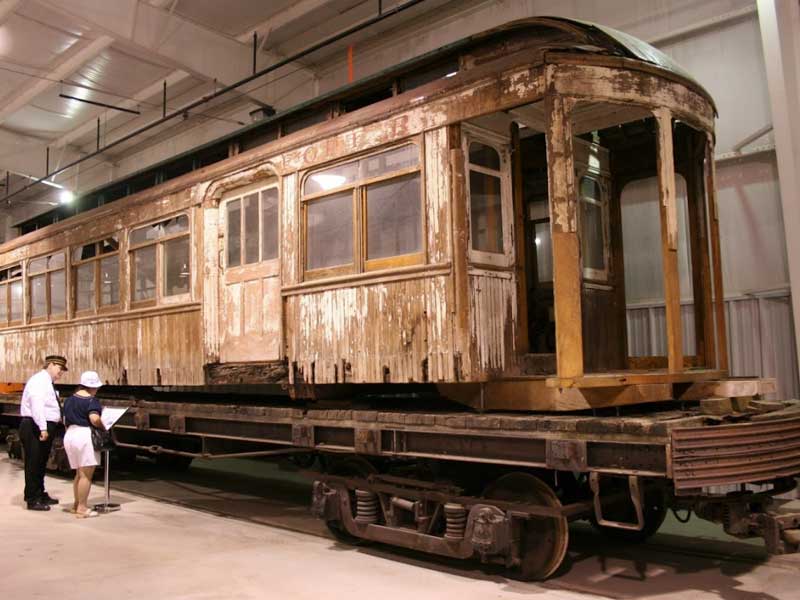
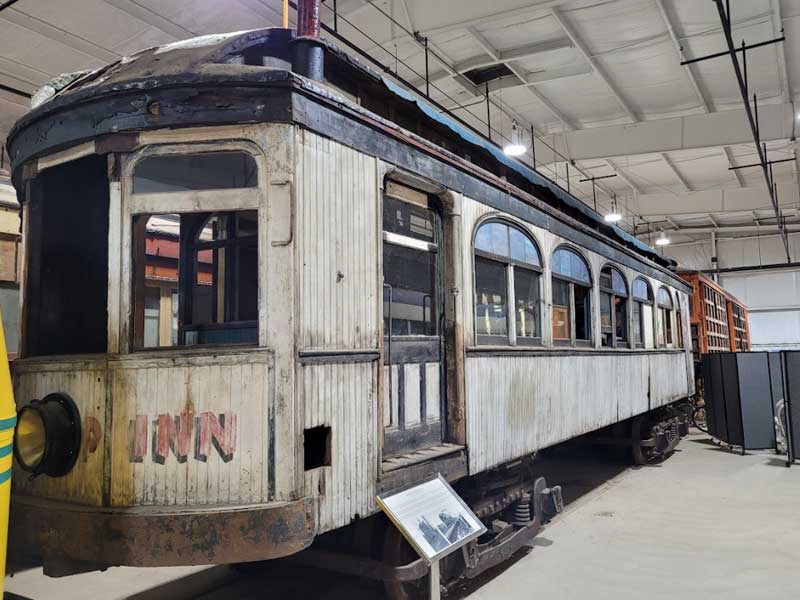
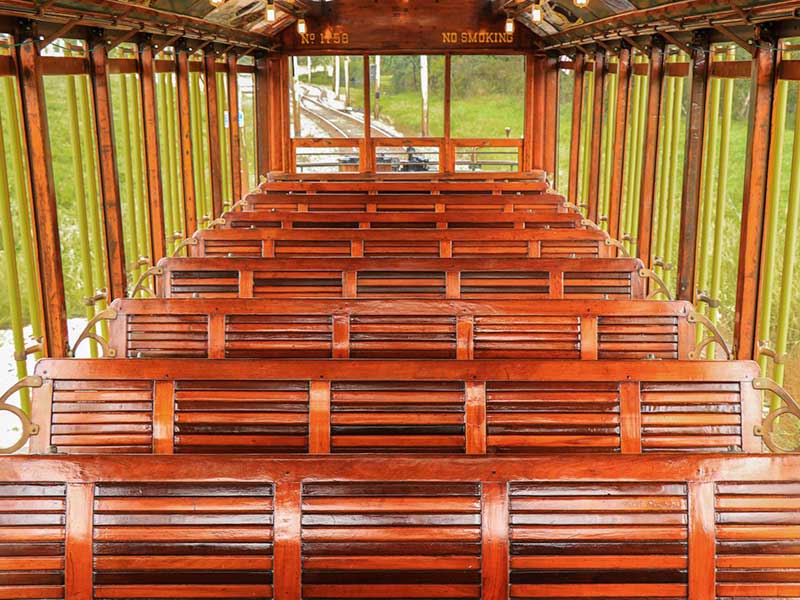
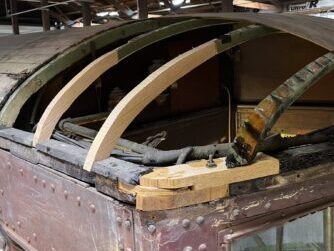
The work for which qualifications are sought is for the restoration of wooden streetcars/trolley cars and similar electric railway equipment whose physical structure is primarily of wooden construction. The era of vehicles represented by this type of construction can range in era from 1850 through 1920, and vehicle types can include small, four-wheel vehicles 18’ in length and weighing only a few tons, up to large, railroad sized passenger cars up to 75’ in length and weighing as much as 70 tons. The original craftsmanship found in these vehicles in many cases represented the car builders’ art of that era, and includes, but it not limited to, features such as mortised joints; tongue and groove roof planking; empire-style ceilings; steam-bent, curved, roof members; old growth timber structural beams; upper and lower sash windows, often curved, in both fixed and moveable configurations; and other features common to eras when wood was the preferred construction material. Restoration materials and methods are intended to match the original construction as closely as possible, with deviations made only due to impossibility of obtaining the exact original materials or conditions dictated by present day safety codes and standards. The structural integrity of the restoration work should at least meet, or exceed, the original designs as best can be determined.
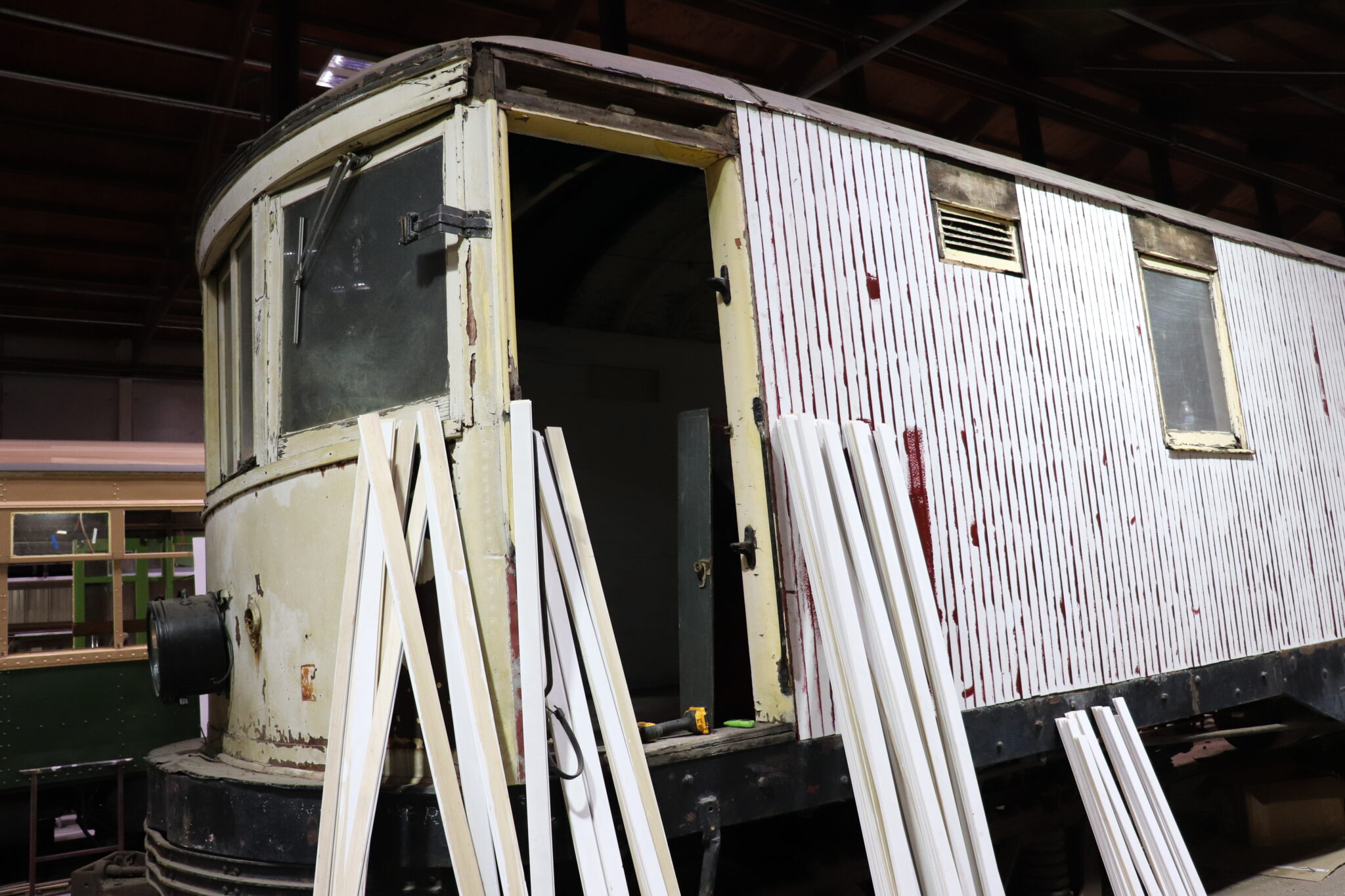
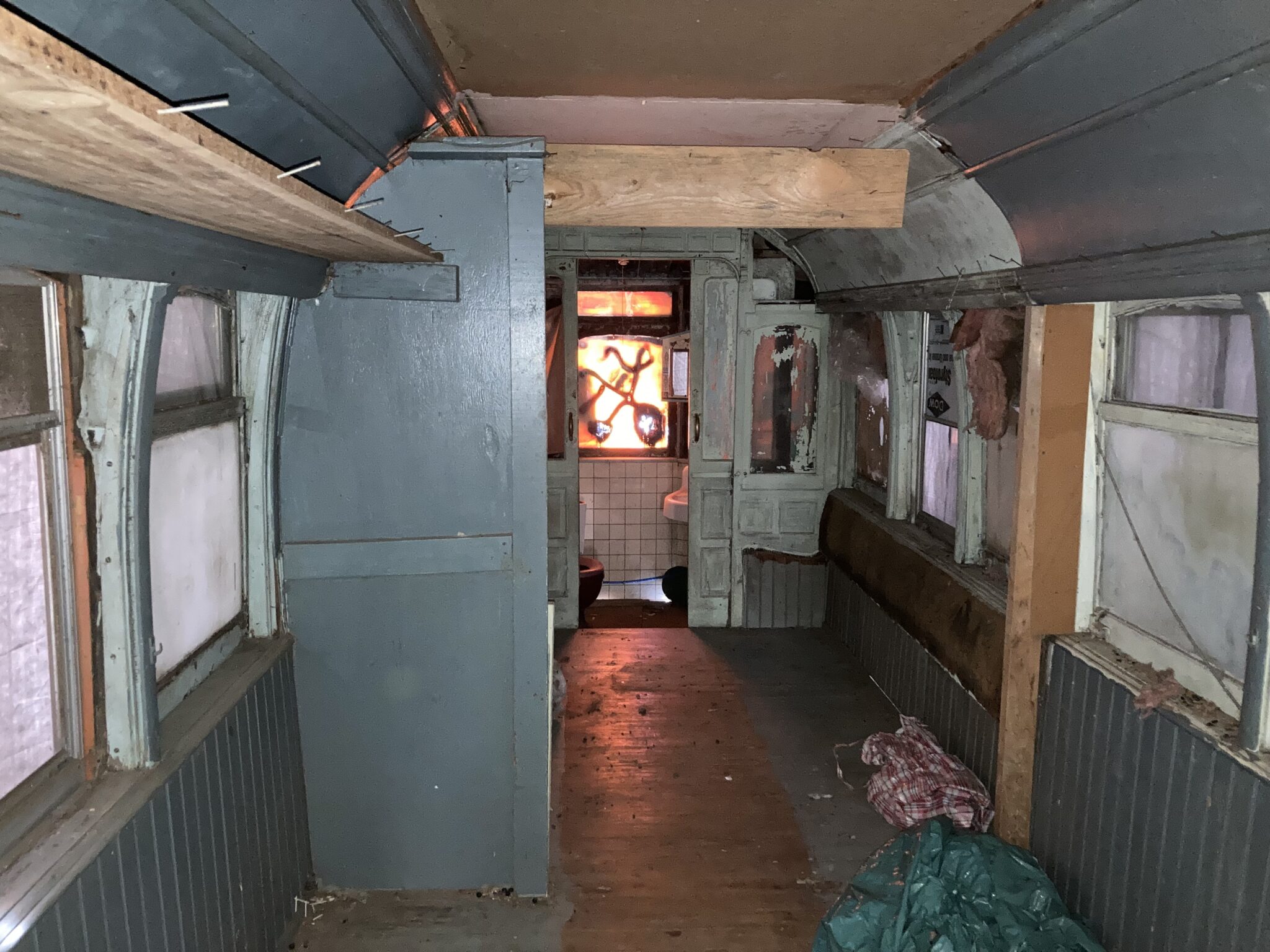
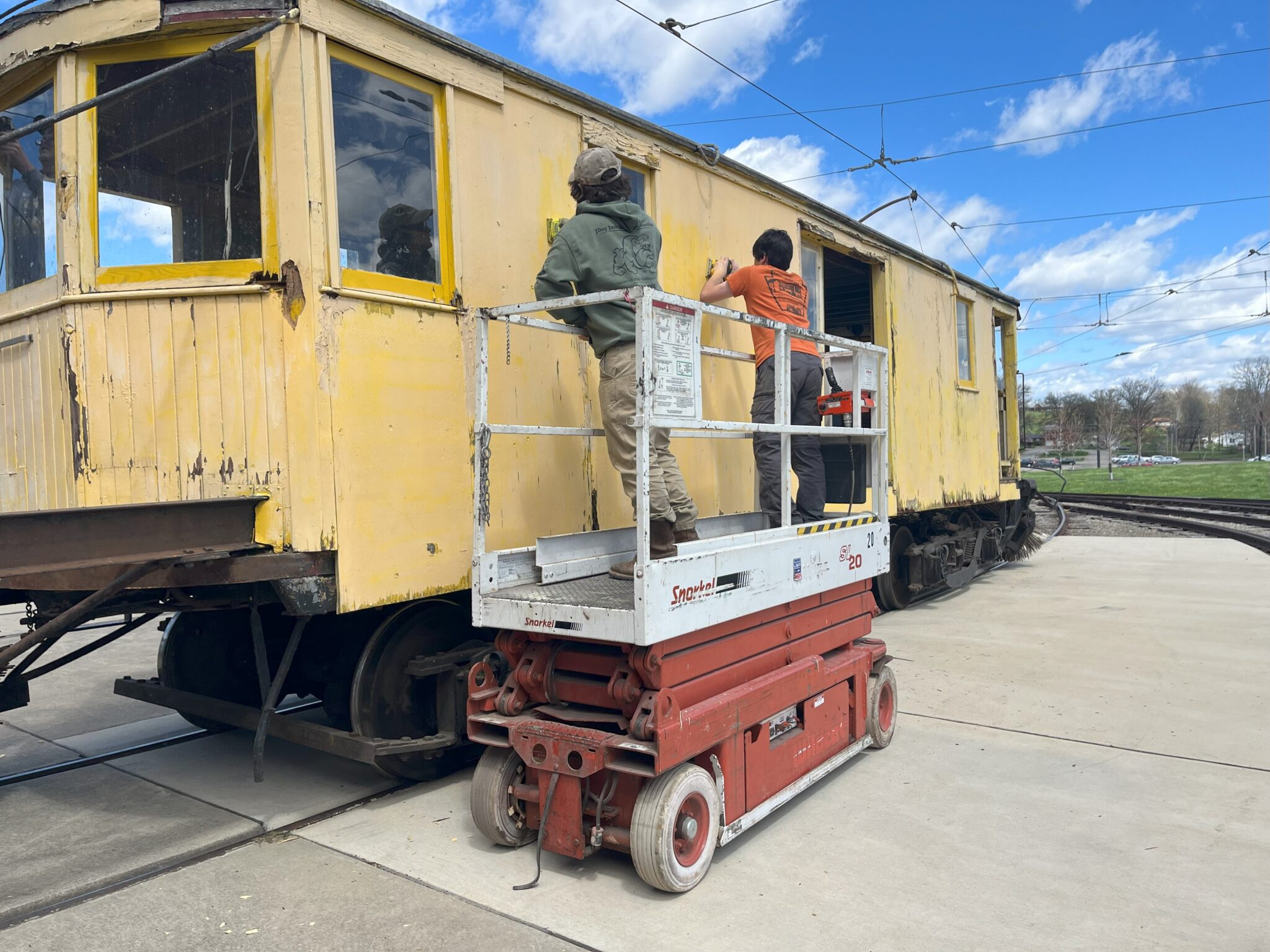
Project scopes can vary from repair/restoration of specific car areas (such as corner posts, platforms, roof bonnets, etc.) through complete reconstruction of every carbody component of a specific vehicle.
Restored vehicles are expected to operate in demonstration service by their respective owners, which includes being subject to the forces and stress inherent in railway operations, something not typically required of fixed structures such as houses or barns.
III. RFQ Responses
Interested parties are invited to respond with the following information:
- Company name, physical address, and Point of Contact (phone and email)
- General company information to include:
- Number of years in business performing the type of work aligned with the RFQ technical requirements
- Number of employees specific to this type of work (full and part time)
- Facility size and applicable equipment
- Ability to handle railroad-sized equipment, including shipment to/from the facility.
- A detailed narrative outlining applicable capabilities of the firm and personnel, examples of successful completion of comparable work (client references welcome but not required), and the firm’s approach to working collaboratively with clients for mutually successful and timely outcomes.
Responses are requested not to exceed 10 pages in length.
Interested entities are invited to submit responses, via email, by 5PM Eastern Time on January 16, 2026 to the following representative:
Matthew W. Nawn, P.E., PMP
Executive Director, Baltimore Streetcar Museum
matthew.nawn@baltimorestreetcarmuseum.org
Office: 410-547-0404
Mobile: 610-764-5638
Please contact the above individual for any questions related to this RFQ.
We look forward to receiving your response!